
Back-to-School Mindset: The Safety Conversations That Matter Most
Updated: Aug 11
The Monthly Mindset - August 2026
By Melanie Pignotti, LCPC, CAC CEO

Every year, as backpacks are packed and first-day photos are snapped, I find myself experiencing the same mix of emotions many parents know well: pride, excitement and just a little anxiety.
This year feels especially significant because my own child is entering middle school.
Middle school represents growing independence. New friendships. New opportunities. More freedom. More technology. More time away from parents. While I am excited to watch my child grow, I would be dishonest if I said I didn’t have concerns.
Modern School Safety Means More Than Locked Doors
As the CEO of the CAC, I spend every day working to protect children and support families impacted by abuse. That work shapes how I view the world, and it reminds me that protecting children isn't about teaching them to be afraid. It's about helping them be informed, empowered and connected to trusted adults.

When many people think about school safety, they think about locked doors, emergency drills and crossing guards. Those measures matter. But some of the risks facing our children today are less visible.
Children are navigating a world where exploitation can begin through a smartphone, a gaming platform, social media or a seemingly innocent online conversation. The creation and distribution of child sexual abuse material (CSAM) continue to be one of the most significant threats to child safety, and offenders often use manipulation, trust-building and coercion rather than force.
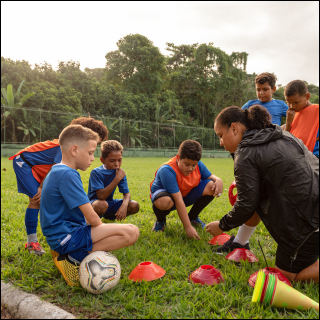
The reality is that those who seek to exploit children are not always strangers. They can be individuals who intentionally position themselves in environments where children gather. Most adults who work with children do so because they genuinely care, but it is important for parents and caregivers to remember that grooming behaviors can occur in any youth-serving organization, including schools, sports programs and extracurricular activities.
That isn't a reason to panic. It is a reason to pay attention. As parents, one of the most powerful safety tools we have is conversation.
Conversations That Help Keep Kids Safe
As my child begins middle school, these are the conversations I find myself focusing on:
1. No secret should exist between a child and a trusted adult.
Healthy adults do not ask children to keep secrets from their parents or caregivers. We teach children that surprises are temporary, but secrets that make them uncomfortable should always be shared.

2. Online relationships are real relationships.
If someone is communicating with a child online, they can influence that child emotionally. We talk openly about who is contacting them, how to recognize manipulative behavior and why they should come to me (the trusted adult) immediately if something feels uncomfortable.
3. Trust your instincts.
Children often sense when something feels "off" before they can explain why. We want them to know they will never get into trouble for speaking up about a situation that makes them uneasy.
4. Boundaries matter.
Every child deserves to understand personal boundaries and bodily autonomy. They should know they have the right to say no, leave a situation and seek help from a trusted adult.
5. Mistakes are survivable.
One of the greatest barriers to disclosure is fear. Children need to know that if they make a mistake online, share something they shouldn't have or find themselves in a difficult situation, the adults in their lives will help them rather than shame them.
Healthy Parent-Child Bonds Protect Kids
Most importantly, I remind myself that safety is built through connection.
Research and experience continue to show that children are more likely to disclose concerns when they have trusted adults who listen without judgment. Strong relationships remain one of the greatest protective factors in a child's life.
As we begin this school year, my hope is not that we raise fearful children. My hope
is that we raise informed children. Children who know their worth. Children who understand healthy boundaries. Children who recognize manipulation. Children who know exactly which adults they can turn to when they need help.
The back-to-school season is filled with opportunities, milestones and growth. Let's make sure it is also filled with open conversations, trust and a commitment to keeping children safe, both in the classroom and beyond.
Resources for Families
This school year let's keep the conversation going. Awareness is not fear. Awareness is prevention. And prevention begins with all of us.

Comments